Perché una sola meraviglia antica non basta mai. Dalle sorgenti termali fumanti dove si bagnavano gli imperatori ai sentieri di montagna da brivido e alle sacre reliquie che hanno cambiato la storia, queste escursioni giornaliere trasformano la tua visita al Mausoleo dell'Imperatore Qin Shi Huang in una completa immersione nell'anima della Cina.
🌋 1. Le sorgenti termali di Huaqing: dove gli imperatori si bagnavano, gli amanti si incontravano e la storia ribolliva.
📍 Distanza da Xi'an: ~30 km (40 minuti in auto o in autobus)
🕒 Visita consigliata: Mattina o tardo pomeriggio: evitate la folla di mezzogiorno
✨ Perché è imperdibile:
Questo non è solo un resort termale, è Il più antico complesso termale imperiale della Cina, risalente a oltre 3.000 anni fa. Sebbene Qin Shi Huang non l'abbia costruito, lui fatto sfruttare le sue acque termali, rendendolo l'esperienza perfetta da abbinare alla visita alla sua tomba.
💬 “"Mi sono immerso nelle stesse piscine degli imperatori della dinastia Tang... e mi sono sentito come un re."” — Marco R., Italia, 2025
🏯 L'eredità imperiale:
- La connessione di Qin Shi HuangSebbene non esistano documenti diretti che confermino che si bagnasse qui, la tradizione locale narra che vi si recasse per motivi di salute, il che si addice a un uomo ossessionato dalla longevità.
- Età d'oro della dinastia TangL'imperatore Xuanzong e la sua amata concubina Yang Guifei scelsero Huaqing come residenza invernale. La loro storia d'amore ispirò poesie, opere liriche e persino una famosa rappresentazione di danza che viene messa in scena ancora oggi.
- Scoperta modernaGli archeologi hanno portato alla luce bagni in pietra, padiglioni e iscrizioni che testimoniano l'utilizzo imperiale di questi luoghi fin dalla dinastia Zhou.
🛁 Cosa ti aspetta:
✅ Piscine termaliImmergetevi in acque minerali riscaldate naturalmente (38-42 °C), note per le loro proprietà curative su articolazioni e pelle. Alcune piscine sono dedicate a personaggi storici: provate il "Bagno di Yang Guifei" per un'atmosfera romantica.
✅ Giardini e palazzi imperialiPasseggia tra architetture ricostruite dell'epoca Tang, ringhiere decorate con draghi e stagni di loto che rievocano l'antica vita di corte.
✅ Esibizione dal vivo: Presa “Il canto del dolore eterno” — uno spettacolo musicale all'aperto mozzafiato al crepuscolo, che fonde acrobazie, danza e fuochi d'artificio sullo sfondo del monte Li.
✅ Ala del museoPotrete ammirare manufatti tra cui specchi di bronzo, pettini di giada e ceramiche utilizzate dai bagnanti reali.
🚗 Come arrivare:
- Metropolitana + Autobus: Prendere la linea 9 per Stazione Huaqingchi (华清池站) — proprio accanto al sito!
- Autobus turistico: La linea 5 (游5) ferma qui sulla strada per l'Esercito di Terracotta.
- Didi/TaxiCirca 60-90 ¥ a tratta; ideale se desiderate flessibilità o viaggiate con la famiglia.
🎯 Suggerimento professionaleAbbinate la visita a Huaqing con una mattinata dedicata all'Esercito di Terracotta: entrambi sono raggiungibili con la linea 9 della metropolitana! Visitate prima Huaqing, poi dirigetevi a ovest verso il museo per sfruttare la luce del pomeriggio.
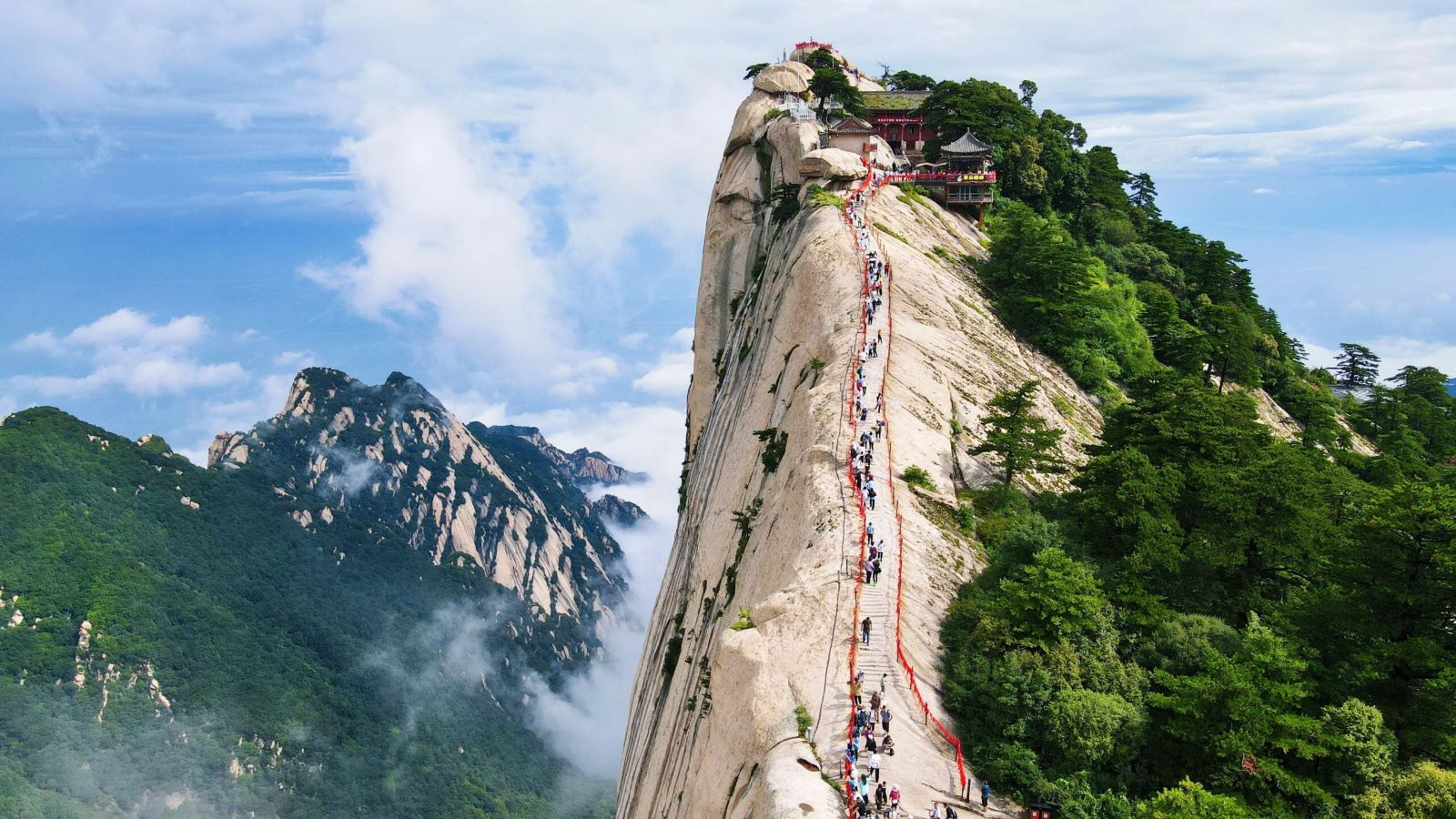
⛰️ 2. Monte Hua: una delle cinque grandi montagne della Cina e l'escursione più spettacolare del mondo.
📍 Distanza da Xi'an: ~120 km (~2 ore di auto)
🕒 Periodo migliore per visitare: La mattina presto (apre alle 7:00); se possibile, evitare i fine settimana.
🧭 Perché è leggendario:
Il monte Hua (华山) non è solo panoramico, ma anche spirituale, pericoloso e profondamente simbolico. Conosciuta come la "Vetta Occidentale", è stata venerata dai taoisti per secoli come una porta verso l'immortalità, il che si addice perfettamente agli ammiratori dell'ossessione di Qin Shi Huang per la vita eterna.
💬 “Ho scalato il monte Hua pensando di domare la natura... invece, è stata la natura a umiliarmi.” — Lena T., Canada, 2025
📜 Significato storico:
- Luogo di pellegrinaggio taoistaFin dalla dinastia Han, i monaci hanno cercato l'illuminazione tra le sue scogliere. I templi si aggrappano precariamente alle pareti verticali, alcuni accessibili solo tramite strette passerelle di legno.
- Lo spirito di Qin Shi HuangSebbene non abbia mai raggiunto la vetta, gli imperatori successivi lo fecero, offrendo sacrifici al cielo sulla cima più alta. La sua ricerca dell'immortalità riecheggia in ogni passo verso l'alto.
- Icona culturalePresente in film di arti marziali, dipinti classici e persino videogiochi moderni, il Monte Hua rappresenta coraggio, perseveranza e trascendenza.
🧗♂️ Il brivido della scalata:
Ci sono cinque cime principali, ognuno con punti di vista e sfide unici:
| Picco | Altezza | Punti salienti |
|---|---|---|
| Picco Est | 2.096 m | Punto panoramico per ammirare l'alba; scogliere spettacolari |
| Picco Sud | 2.154,9 m | Vetta più alta; complesso templare |
| Picco occidentale | 2.082 m | “Picco del Fiore di Loto”; il più panoramico |
| Picco Nord | 1.614 m | Accesso più semplice: stazione a valle della funivia. |
| Picco medio | 2.037,8 m | Più piccolo, più silenzioso; ottime opportunità per scattare foto. |
🚡 Opzione funivia:
Per chi cerca meraviglia senza affaticarsi:
- Funivia di North Peak150 ¥ andata e ritorno (biglietto d'ingresso incluso).
- Funivia di West PeakPiù panoramico ma più costoso (circa 200 yen).
🥾 Itinerari escursionistici:
- Sentiero ClassicoPartenza da North Peak → salita verso ovest → sud → est → discesa in funivia (circa 6-8 ore).
- Percorso impegnativoProvate la "Passeggiata in passerella sospesa nel cielo": una stretta passerella di legno fissata a una parete rocciosa a strapiombo (30 yen in più; è necessaria l'imbracatura).
🚫 AvvertimentoNon adatto a chi soffre di acrofobia. Molti tratti sono dotati di catene metalliche per aggrapparsi, ma non ci sono parapetti!
🍜 Sapori locali:
- Spuntini di montagnaProvate i "panini al vapore di Huashan" venduti dai commercianti lungo il sentiero: caldi, saporiti e un'ottima fonte di energia per gli scalatori.
- Case da tèPresso i templi in vetta, sorseggiate tè al gelsomino mentre osservate le nuvole scorrere sotto i vostri piedi.
🚗 Come arrivare:
- AutobusGli autobus turistici diretti partono dalla stazione ferroviaria di Xi'an (北广场) tutti i giorni alle 7:00 e alle 8:00. Gli autobus di ritorno partono da South Peak intorno alle 16:00.
- Trasferimento privato: Didi/furgone a noleggio (circa 300-500 ¥ andata e ritorno).
- Visite guidateMolte opzioni includono il ritiro della colazione, il pranzo e il trasporto di ritorno: altamente consigliato per chi partecipa per la prima volta.
🎯 Hack internoPrenota i biglietti online tramite l'account ufficiale WeChat o Ctrip: eviterai lunghe code agli ingressi.
🙏 3. Tempio di Famen: sede della reliquia dell'osso del dito del Buddha e di un miracolo di fede.
📍 Distanza da Xi'an: ~120 km (~2 ore di auto)
🕒 Orari di apertura: 8:30 - 17:30 (ultimo ingresso alle 17:00)
🔱 Perché è importante:
Il tempio Famen (法门寺) custodisce una delle reliquie più sacre del buddismo. l'osso del dito del Buddha Sakyamuni, scoperta nel 1987 durante i lavori di restauro. Per i fedeli, è come visitare la Basilica di San Pietro in Vaticano, un luogo di pellegrinaggio di importanza mondiale.
💬 “Ho pianto quando ho visto la reliquia. Non perché sia religiosa, ma perché mi sono sentita connessa a qualcosa di più antico del tempo.” — Sofia M., Spagna, 2025
🏺 La scoperta che ha sconvolto il mondo:
Nel 1987, gli archeologi aprirono una camera sotterranea nascosta sotto la pagoda, rivelando:
- Ossa delle quattro dita: Una reliquia autentica (ritenuta reale), tre repliche realizzate durante diverse dinastie.
- Tesori a non finireOltre 2.000 manufatti, tra cui vasi d'oro e d'argento, vesti di seta, oggetti in vetro e porcellana, molti dei quali doni degli imperatori Tang.
- IscrizioniTavolette di pietra che descrivono dettagliatamente come la reliquia venisse spostata tra le capitali per proteggerla durante le guerre.
🏯 Cosa vedere all'interno:
✅ Nuovo complesso musealeStruttura moderna in vetro e pietra che custodisce la reliquia in un santuario a temperatura controllata. I visitatori possono ammirare teche di vetro che espongono sarcofagi dorati, stendardi ricamati e oggetti cerimoniali.
✅ antica pagodaRicostruita dopo il crollo del 1981, ora si erge maestosa accanto al museo. Salite per godere di una vista panoramica sulle pianure circostanti.
✅ Cerimonie buddiste: Canti quotidiani, offerte di incenso e sessioni di meditazione aperte ai turisti (chiedere al personale per il programma).
✅ Osservazione delle reliquieL'osso del dito è esposto dietro una lastra di vetro spessa, spesso circondato da lampade a burro tremolanti e omaggi floreali.
🍵 Atmosfera spirituale:
Anche i non buddisti trovano pace qui. Sedetevi in silenzio nella sala di meditazione, ascoltate i monaci recitare i sutra o semplicemente osservate i pellegrini prostrarsi davanti alla reliquia.
🕊️ Nota: Vestitevi in modo modesto (no pantaloncini/canotte). Toglietevi le scarpe prima di entrare nelle sale di preghiera.
🚗 Come arrivare:
- Autobus turistico direttoPartenza dalla stazione ferroviaria di Xi'an (北广场) la mattina presto (circa le 7:30). Rientro previsto intorno alle 16:30.
- Trasferimento privato: Didi/noleggio (circa 350-600 ¥ andata e ritorno).
- Tour combinatoAlcuni operatori offrono Famen + Huaqing + Esercito di Terracotta in un solo giorno: un'impresa ambiziosa ma fattibile partendo presto.
🎯 Suggerimento professionaleÈ consigliabile visitare il luogo durante la settimana: nei fine settimana si registra un'affluenza enorme di pellegrini locali.
🗂️ Tabella comparativa rapida: opzioni per gite di un giorno
| Destinazione | Tempo di percorrenza | Ideale per | Momento da non perdere |
|---|---|---|---|
| Sorgenti termali di Huaqing | 40 minuti | Amanti della storia, romantici, amanti delle terme | Immergersi nella piscina di Yang Guifei |
| Monte Hua | 2 ore | Amanti dell'avventura, fotografi | Sentiero pedonale sospeso nel cielo |
| Tempio della Fama | 2 ore | Viaggiatori spirituali, appassionati di manufatti | Osservazione della reliquia dell'osso del dito di Buddha |
🧭 Idee intelligenti per itinerari: sfrutta al massimo le tue gite di un giorno.
🌞 Opzione 1: Combinazione di storia e romanticismo
Mattina: Terme di Huaqing → Pranzo nelle vicinanze → Pomeriggio: Esercito di terracotta → Sera: Rientro in città
🧗♀️ Opzione 2: La sfida per gli amanti del brivido
Mattina presto: Partenza per il Monte Hua → Escursione di un'intera giornata → Discesa al tramonto → Cena a Xi'an
🙏 Opzione 3: Viaggio spirituale
Mattina: Tempio di Famen → Mezzogiorno: Ritorno a Xi'an → Tardo pomeriggio: Giro in bicicletta lungo le mura della città → Festa al mercato notturno
🔄 Opzione 4: Esploratore definitivo di più giorni
Giorno 1: Esercito di terracotta + Huaqing
Giorno 2: Monte Hua
Giorno 3: Tempio di Famen + tour gastronomico del quartiere musulmano
📝 Riflessioni finali: non si tratta di semplici deviazioni, ma di capitoli dell'epica storia della Cina.
Visitare il mausoleo-museo dell'imperatore Qin Shi Huang apre una finestra sull'antica Cina, ma andare oltre rivela strati di mito, fede, potere e bellezza che hanno plasmato la nazione.
- A Huaqing, ti bagni dove gli imperatori sognavano l'eternità.
- SU Monte Hua, sali dove i taoisti cercavano il cielo.
- In Tempio della Fama, Ti trovi di fronte a una reliquia che un tempo induceva i re a inchinarsi.
Ogni luogo contribuisce ad approfondire la comprensione del mondo di Qin Shi Huang e delle civiltà che lo seguirono.
Quindi non abbiate fretta. Non accontentatevi di una sola tappa. Lasciate che Xi'an si sveli come una pergamena: ricca, stratificata e infinitamente sorprendente.
📌 “Ammirare l'Esercito di Terracotta significa assistere a un pezzo di storia cristallizzato nell'argilla. Esplorare i suoi dintorni significa sentire la storia rivivere.”
— Diario del viaggiatore, Xi'an
